Discover the Vibrant Secret of Purple Corn
Deep in the Peruvian Andes lies a nutritional gem: purple corn, or Maíz Morado, a superfood celebrated for its striking deep purple kernels and powerful health benefits. Packed with anthocyanins—antioxidants that give it a vibrant hue—purple corn benefits include fighting inflammation, slowing aging, and supporting heart health. Revered in Peru for centuries and now trending in markets like China, this ancient grain is a culinary and wellness marvel. In this purple corn superfood guide, we’ll dive into its history, science-backed benefits, practical ways to use it, and why it surpasses yellow corn.
What Is Purple Corn?
Purple corn (Zea mays L.), also known as Maíz Morado in Peru or zǐ yù mǐ in Chinese, is a variety of maize native to the Andes. Its deep purple to near-black kernels owe their color to anthocyanins, potent antioxidants that make it a superfood. Unlike yellow corn, purple corn benefits health with its unique phytochemical profile. In Peru, it’s used in traditional drinks like chicha morada and desserts like mazamorra morada. Its cultivation has spread to China’s Yunnan and Heilongjiang regions, where it’s valued for both nutrition and visual appeal.
Historical and Cultural Roots of Purple Corn
Known as kculli in Quechua, purple corn was cherished by the Incas and featured in ancient Moche ceramics. In Peru, it symbolizes heritage, especially during October’s “purple month” celebrations. Beyond food, it served as a natural dye and medicinal ingredient in pre-Columbian cultures.
What Are the Health Benefits of Purple Corn?
Purple corn benefits stem from its high anthocyanin content, giving it an edge over other grains. These antioxidants combat oxidative stress, supporting overall wellness. Here’s a detailed look at its science-backed advantages:
- Reduces Inflammation: A 2019 study in Food Chemistry found that purple corn’s anthocyanins suppress pro-inflammatory markers, potentially easing arthritis and other inflammatory conditions.
- Slows Aging: Cyanidin-3-glucoside (C3G), a key anthocyanin, neutralizes free radicals, promoting skin health and slowing cellular aging, per research in Antioxidants (2022).
- Supports Heart Health: According to the Journal of Agricultural and Food Chemistry (2003), purple corn’s phenolic compounds lower cholesterol and improve circulation, reducing atherosclerosis risk.
- Regulates Blood Sugar: A 2020 Sage Journals study showed purple corn extract improved glucose control and reduced blood pressure in adults with mild hypertension.
- Potential Anti-Cancer Properties: Early research from the University of Texas suggests anthocyanins may inhibit cancer cell growth, though human studies are ongoing.
Nutritional Comparison: Why Purple Corn Beats Yellow Corn
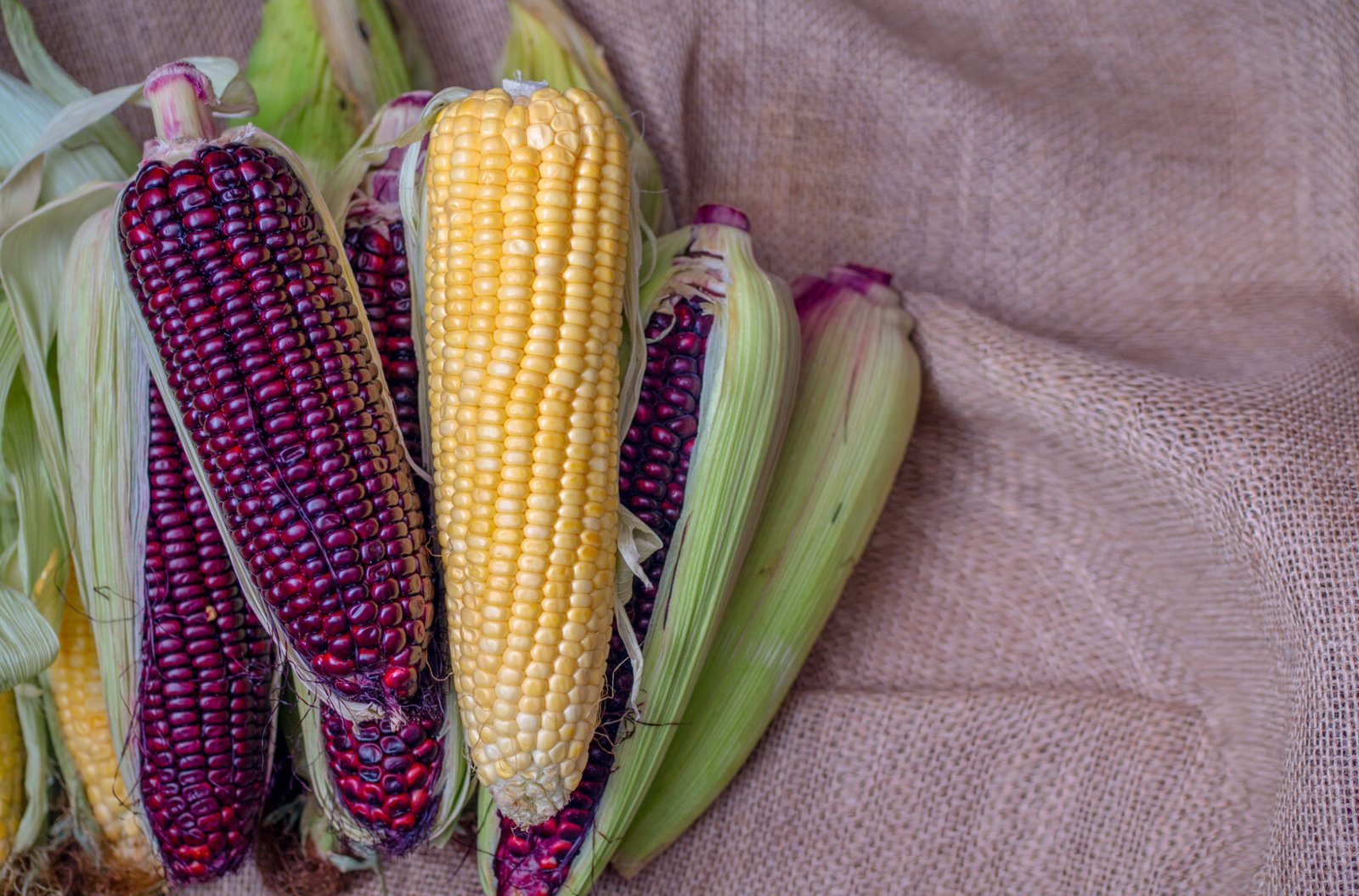
Purple corn’s superfood status comes from its superior antioxidant profile. Below is a comparison with yellow corn:
| Nutrient | Purple Corn | Yellow Corn |
|---|---|---|
| Antioxidants | High (16.4 mg/g anthocyanins, 4–5x blueberries) | Low (minimal anthocyanins) |
| Protein | ~11% | ~9% |
| Fiber | Higher (~7–8%) | Moderate (~6–7%) |
| Vitamins | Vitamin A, C, riboflavin, niacin | Vitamin A, some B vitamins |
| Minerals | Phosphorus, iron, calcium, magnesium | Phosphorus, magnesium |
| Phytochemicals | Phenolic acids, flavonoids, anthocyanins | Limited phytochemicals |
| Calories (per 100g) | ~365 kcal | ~365 kcal |
Sources: USDA, Journal of Agricultural and Food Chemistry (2003), Foods of Peru (2021)
Purple corn benefits outweigh yellow corn’s due to its antioxidants, though it’s pricier because of lower yields and specialized farming.
What Does Science Say About Purple Corn Benefits?
Recent research underscores purple corn’s superfood potential. A 2023 Frontiers in Plant Science review noted that purple corn cobs contain up to 71.5 mg/g of anthocyanins—far exceeding blueberries (3.7 mg/g). Key findings include:
- Antioxidant Strength: Purple corn’s ORAC value (96,300 µmoleTE/100g) is 20x higher than blueberries, making it a top antioxidant source.
- Anti-Obesity Potential: Molecules (2021) reported that purple corn reduced fat accumulation in animal studies, supporting metabolic health.
- Cooking Stability: A National University of Singapore study found 80% of anthocyanins remain after baking at 200°C, ensuring versatility.
Experts recommend moderation, particularly for pregnant or lactating women, due to potential blood-circulation effects.
How to Use Purple Corn: A Simple Recipe
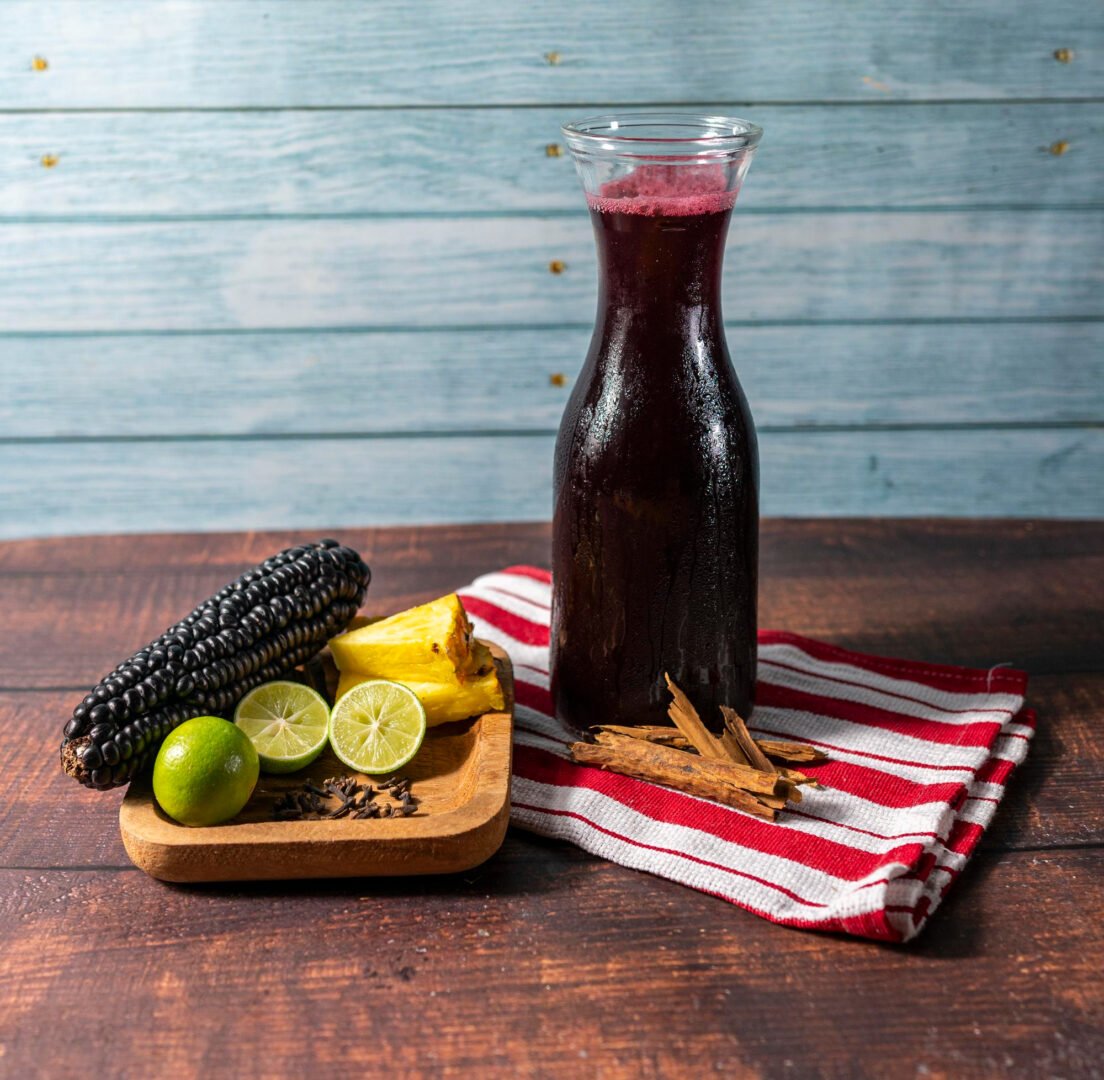
Wondering how to cook purple corn? One of the easiest ways to enjoy its benefits is through chicha morada, a refreshing Peruvian drink. Here’s a recipe to get started:
Chicha Morada Recipe
Servings: 4–6
Prep Time: 10 minutes
Total Time: 30 minutes
Ingredients:
- 1 cup dried purple corn kernels (available at specialty markets or online)
- 1 pineapple, peeled and chopped
- 1 cinnamon stick & 4 cloves
- ½ cup sugar (adjust to taste)
- 1 apple, chopped
- Juice of 1 lime
- 8 cups water
Instructions:
- Boil purple corn kernels, pineapple, cinnamon, and cloves in water for 20 minutes.
- Strain the liquid, discard solids, and stir in sugar and lime juice.
- Cool and serve chilled over ice.
Tips: Use less sugar or a natural sweetener like stevia for a healthier option. Include pineapple peels during boiling for added flavor.
This antioxidant-rich drink is a delicious way to enjoy purple corn benefits.
How to Use Purple Corn in China: Trends and Availability
In China, purple corn (zǐ yù mǐ) is grown in Yunnan and Heilongjiang, available as kernels, powder, or extract. It’s popular in health food stores and e-commerce platforms for its superfood status and vibrant color in dishes like porridge or baked goods. However, non-Andean purple corn may have slightly lower anthocyanin levels due to soil and climate differences.
Key Takeaways: How to Cook Purple Corn and Maximize Benefits
Purple corn is a versatile superfood with proven health benefits. Here’s how to incorporate it:
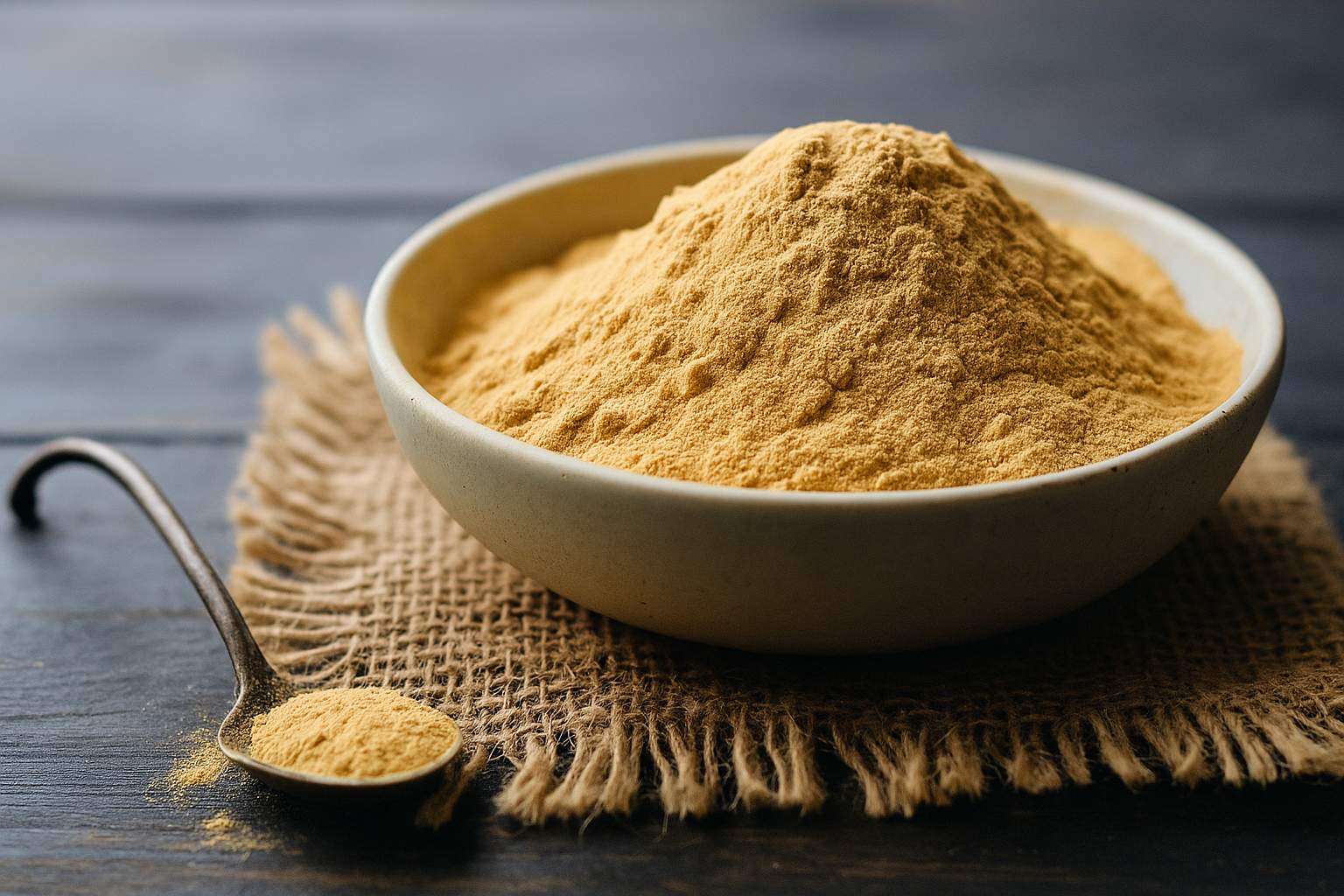
- Choose High-Quality Products: Opt for purple corn extract or powder for maximum anthocyanins; flour may be less potent.
- Add to Daily Meals: Mix 1 teaspoon of purple corn powder into smoothies, oatmeal, or baked goods for an antioxidant boost.
- Store Correctly: Keep fresh purple corn refrigerated with husks on, or use dried kernels/powder for longer shelf life.
- Consume Moderately: Avoid overconsumption, especially if pregnant, due to circulation effects.
Explore reputable suppliers like PurpleSuper.com or Andean markets for quality purple corn.
Harness the Power of Purple Corn
Purple corn, the Andean superfood, blends tradition with cutting-edge nutrition. Its anthocyanins deliver unparalleled purple corn benefits, from reducing inflammation to promoting youthful vitality. Whether you’re enjoying chicha morada or experimenting with purple corn powder, this vibrant grain is a simple, delicious way to boost wellness. Its unique color isn’t just eye-catching—it’s a sign of powerful antioxidants at work. Embrace purple corn as part of your daily routine and experience the synergy of ancient wisdom and modern health.